
Whether you’re living in a compact apartment, a small house, or just looking to make the most of a cozy room, designing for small spaces can be both challenging and incredibly rewarding. The key is to blend style and functionality, making every inch of space count. Here are some tried-and-true ideas to help you maximize small spaces and create a home that feels comfortable, open, and uniquely yours.
1. Choose Multifunctional Furniture
In a small space, every piece of furniture should work hard for you. Look for items that serve more than one purpose, like a sofa that converts into a bed, ottomans with hidden storage, or coffee tables that can extend into dining tables. Investing in multifunctional furniture lets you keep the space uncluttered without sacrificing comfort or style.
2. Go Vertical with Storage
When floor space is limited, think vertically. Wall-mounted shelves, hanging organizers, and tall bookcases help you make use of your room’s height. In the kitchen, consider using magnetic strips or pegboards to hang utensils and tools. For the bedroom, wall-mounted hooks or racks are perfect for coats, bags, and hats, freeing up closet space.
3. Use Light and Color Wisely
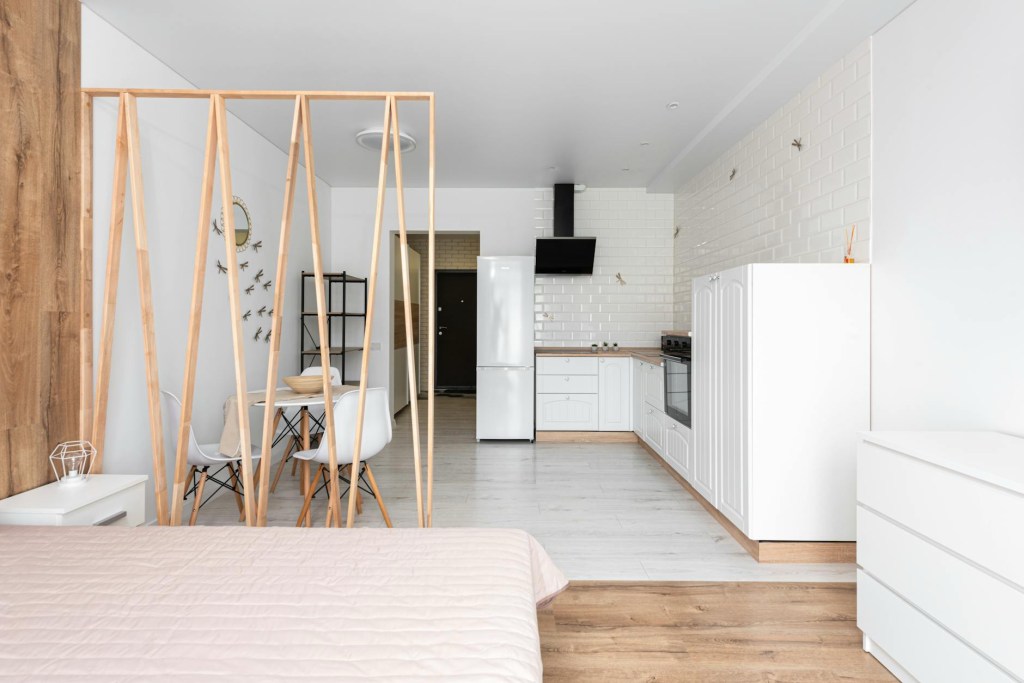
Light and color play a huge role in how large or small a space feels. Opt for light, neutral colors like whites, grays, and pastels to make the space feel airy and open. For a pop of personality, add a few bright accents or a statement wall. Natural light is a big plus, so keep window treatments minimal and let the light flow in as much as possible. Where natural light is limited, use mirrors to reflect light and create a sense of depth.
4. Embrace Minimalism
In small spaces, less really is more. Limit decorative pieces to just a few essentials that bring joy or serve a function. A cluttered space can quickly feel cramped, so prioritize simplicity and elegance. If you’re an art lover, for example, choose a single striking piece rather than multiple smaller ones that could overwhelm the space.
5. Define Zones with Rugs and Furniture Arrangements
Just because your space is small doesn’t mean you can’t have different “zones” for different activities. Use area rugs, furniture positioning, or even lighting to create distinct areas for lounging, dining, or working. For instance, a small rug under the dining table can set it apart from the seating area, making the room feel more organized and less like everything is competing for attention.
6. Incorporate Hidden Storage Solutions
Clutter can make any space feel smaller, so effective storage is crucial. Seek out furniture with hidden storage, like beds with drawers underneath or benches with lift-up tops. Floating shelves and under-bed storage boxes can also keep things organized without taking up valuable floor space.
7. Select Flexible, Moveable Pieces
Flexibility is a game-changer in small spaces. Consider items on wheels, such as kitchen carts, that can easily be moved to where they’re needed and stored when not in use. Folding or stackable chairs are also great space-savers for small dining areas or home offices that don’t require extra seating every day.
8. Optimize Entryways and Hallways
Even a small entryway can be functional and inviting. Hooks for keys, a slim bench, and a small shoe rack make a big difference, helping to keep clutter from piling up at the door. Hallways can double as mini galleries with narrow shelves or hooks for art or family photos, adding personality without taking up space.
9. Invest in Built-In Storage
If possible, built-in storage is one of the most efficient ways to keep small spaces tidy. Floor-to-ceiling cabinets, built-in desks, or custom shelving make great use of tight areas, and they tend to look seamless and more open than standalone furniture. Built-ins are especially useful in smaller bedrooms, where storage for clothing and accessories is a must.
10. Add Greenery in Small Ways
Plants bring life and a sense of freshness to any space, big or small. For small rooms, consider hanging plants or using narrow wall-mounted planters to add greenery without using precious floor space. If you don’t have a green thumb, try low-maintenance options like succulents or air plants that thrive in various lighting conditions.
Final Thoughts
Maximizing a small space doesn’t mean sacrificing comfort or style. With the right furniture, smart storage solutions, and a bit of creativity, you can make any room feel larger, more functional, and truly inviting. Remember, it’s about using what you have to its fullest potential, creating a space that works for you.
With these tips, you can transform any small area into a space that feels open, stylish, and full of possibilities. Whether you’re reimagining a room or optimizing an entire apartment, these ideas will help you make the most of every square foot.
 RED DOOR C&M