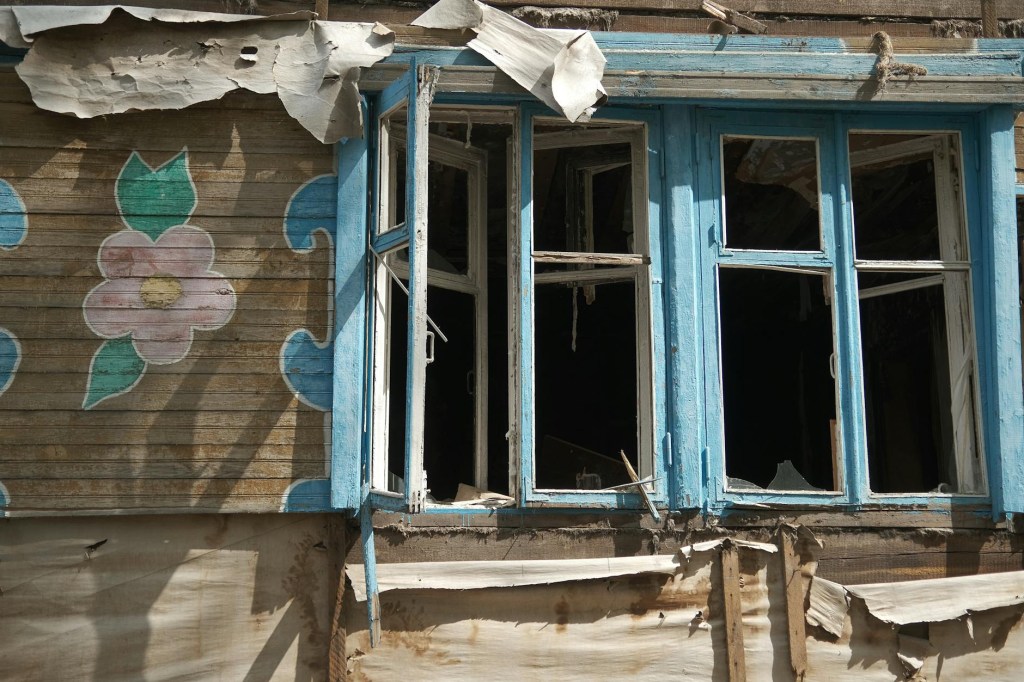
Trim adds a polished look to any home, but it also serves as a first line of defense against the elements. Over time, wear and tear can lead to rot and other damage, which, if left untreated, may affect the underlying structure. Here’s what to look for when inspecting your home’s trim and siding for damage that might require repair.
1. Cracks and Gaps: Weather and seasonal changes cause wood to expand and contract. Look for cracks, splits, or gaps, especially where trim meets walls or around windows and doors. These spots allow moisture in, which can lead to wood rot over time.
2. Discoloration: Dark spots, especially near the edges or joints, often indicate water exposure or mold growth, which is a precursor to rot.
3. Soft Spots: Use a screwdriver to gently press into the trim. If it feels soft or crumbles, you may have rot, which needs immediate attention before it spreads.
4. Peeling Paint: Flaking or bubbling paint often signals trapped moisture. Peeling areas should be sanded, primed, and repainted to prevent further damage.
5. Mold and Mildew: Check for black or green mold, particularly near the ground or in shaded areas. Mold indicates consistent moisture, which may lead to rot.
If you notice any of these issues, consider contacting a professional for a thorough inspection and repair plan. Fixing damaged trim not only protects your home but also improves curb appeal and can prevent costly future repairs.
 RED DOOR C&M