
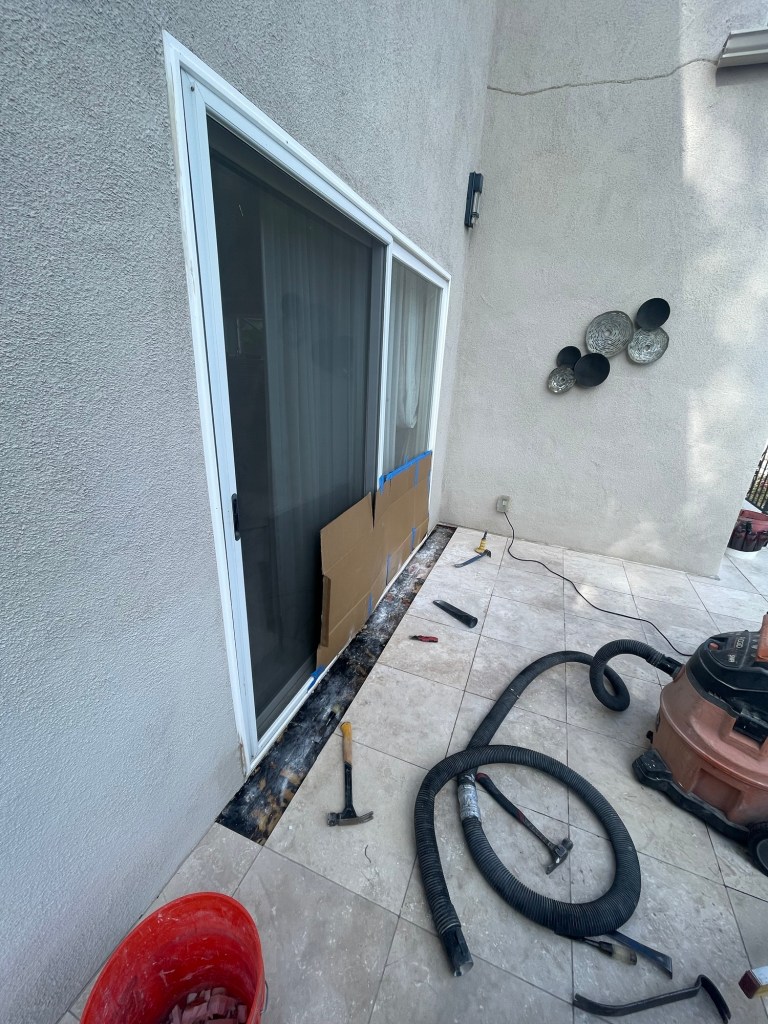
When it comes to home construction and maintenance, one of the most critical yet often overlooked details is proper waterproofing at the junction where a deck meets an exterior wall. This area is highly susceptible to water intrusion, which can lead to significant structural damage and costly repairs if not handled correctly. Whether you’re building a new deck or maintaining an existing one, understanding the importance of waterproofing is key to protecting your home.
The Risks of Poor Waterproofing
Without proper waterproofing, water can seep into the gap between the deck and the exterior wall. Over time, this can cause:
1. Wood Rot: Deck framing, wall studs, and sheathing are vulnerable to rot if exposed to moisture.
2. Mold Growth: Moisture trapped in hidden areas creates the perfect environment for mold and mildew, which can affect indoor air quality.
3. Structural Damage: Prolonged water exposure weakens the deck and wall components, compromising the safety of the structure.
4. Increased Repair Costs: Addressing water damage after it occurs is far more expensive than implementing preventive waterproofing measures during construction or maintenance.
Key Waterproofing Techniques
To ensure long-lasting protection, proper waterproofing at the deck-to-wall junction involves several steps:
1. Flashing Installation
Install metal or PVC flashing at the point where the deck ledger board meets the wall. Flashing directs water away from the structure and prevents it from penetrating vulnerable areas.
2. Ledger Board Waterproofing
Apply a waterproof membrane or tape to the top of the ledger board before attaching it to the wall. This extra layer of protection ensures that water cannot sit on or seep into the ledger.
3. Siding Considerations
Ensure the siding overlaps the flashing to prevent water from running behind it. If siding must be removed to install the deck, replace it with care to maintain the integrity of the waterproofing system.
4. Drainage Solutions
Incorporate proper drainage techniques, such as sloping the deck away from the house or using decking boards with built-in gaps to allow water to escape.
5. Regular Inspections
Even the best waterproofing systems can degrade over time. Periodically inspect the deck and wall for signs of wear, such as cracked caulk, rusted flashing, or pooling water, and address any issues promptly.
Benefits of Proper Waterproofing
Taking the time to waterproof the deck-to-wall junction offers several benefits:
• Longevity: Your deck and home will last longer with less maintenance.
• Safety: A structurally sound deck reduces the risk of accidents.
• Cost Savings: Preventive measures save money by reducing the need for expensive repairs.
• Home Value: Proper waterproofing is an attractive feature for potential buyers.
Conclusion
Waterproofing where a deck meets an exterior wall is essential for protecting your home from water damage. Whether you’re a DIY enthusiast or hiring a professional, ensuring that this critical area is sealed against the elements will save you time, money, and headaches in the long run. Don’t cut corners—invest in proper waterproofing today for a safer, stronger home tomorrow.

 RED DOOR C&M